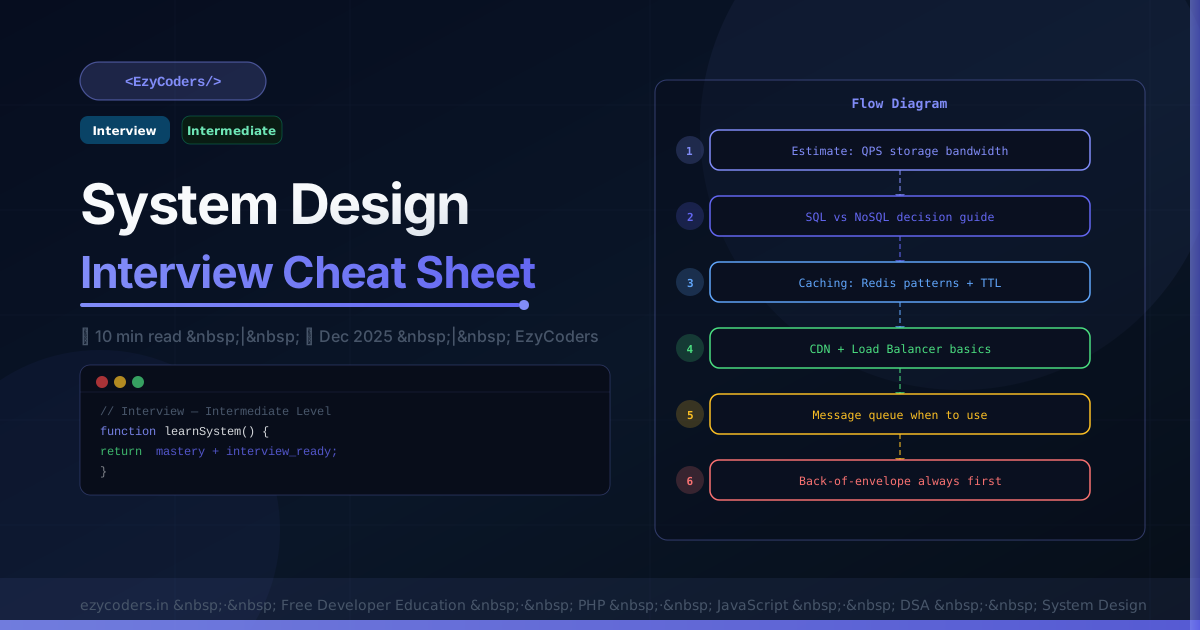
System Design Interview Cheat Sheet 2025
Essential patterns, numbers, and frameworks for any system design interview. Review this before every interview.
Numbers to Memorize
Latency:
  L1 cache: 0.5 ns | RAM: 100 ns | SSD: 0.1ms | HDD: 10ms
  Same DC network: 0.5ms | Cross-country: 150ms

Throughput:
  Single DB server: 1,000 QPS complex / 10,000 QPS simple
  Redis: 100,000+ ops/sec
  Kafka: 1,000,000+ messages/sec

Storage rules of thumb:
  1 tweet: 300 bytes | 1 photo: 2MB | 1 video (1min): 50MB
  1M DAU, 10 req/day = 115 QPS avg = 350 QPS peak (3x multiplier)
SQL vs NoSQL Decision
| Use SQL when | Use NoSQL when |
|---|---|
| ACID transactions needed | Flexible schema |
| Complex JOINs required | Massive write throughput |
| Relational data | Horizontal scale needed |
| Under 10 TB | Over 10 TB, global distribution |
The 6-Step Framework
1. CLARIFY (5 min)
   Functional requirements, non-functional (QPS, latency, scale)

2. ESTIMATE (5 min)
   DAU to QPS, storage per day/year, bandwidth

3. HIGH-LEVEL DESIGN (10 min)
   Client, Load Balancer, Servers, DB, Cache — draw the flow

4. DATA MODEL (5 min)
   Entities, relationships, SQL schema or NoSQL structure

5. DEEP DIVE (15 min)
   Pick 2-3 challenging components, bottlenecks, trade-offs

6. SCALE (5 min)
   Horizontal scaling, caching, CDN, sharding, message queues
Most Common Topics by Company:
Service companies (TCS/Infosys): URL shortener, parking lot, hotel booking, library management
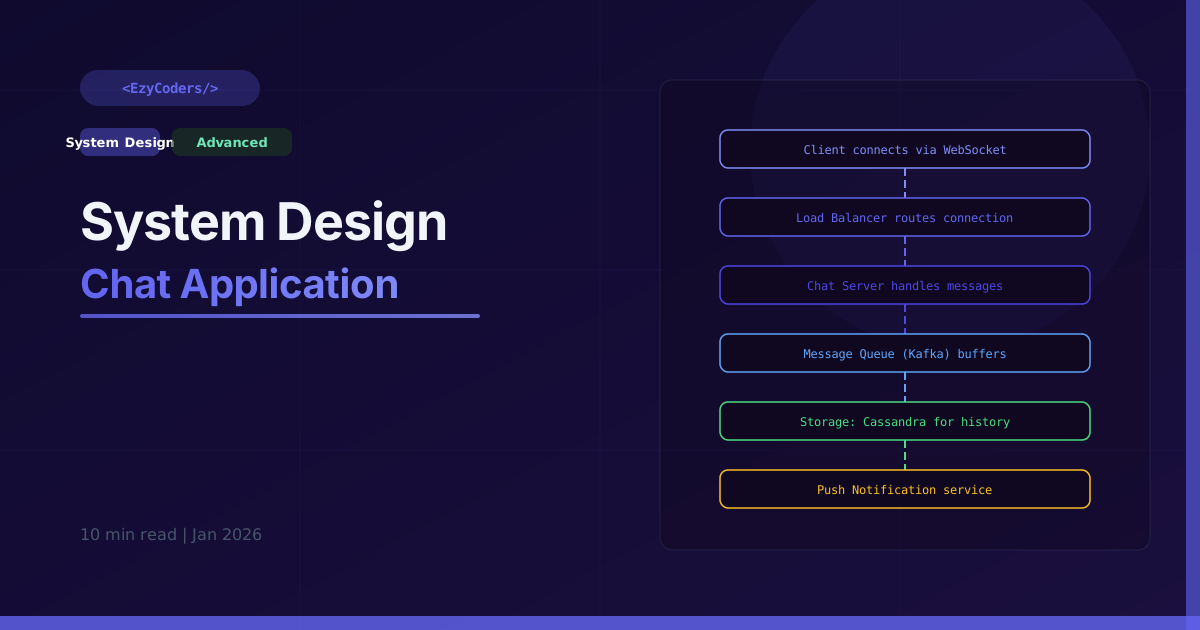
Product startups: Chat app, notification system, rate limiter, social feed
FAANG: All above + Netflix, Google Search, Uber, Twitter, Amazon warehouse
Golden rule: Always start with back-of-envelope calculations. It shows structured thinking and reveals which parts of the system need the most attention. Interviewers notice when candidates skip this step.

Comments (0)
No comments yet. Be the first!
Leave a Comment